
Remove plaque at home safely is one of the most common oral health questions.
Plaque is a sticky film of bacteria that builds up on teeth and gums, leading to cavities, bad breath, and gum disease if left untreated. The good news? With the right tools and daily habits, you can control plaque without visiting the dentist every week. This article explains what plaque is, why it forms, and how smart electric toothbrushes like BrushO provide a safe, effective solution for keeping your smile healthy.
Plaque is a soft, colorless layer of bacteria that forms on your teeth every day. When combined with food particles, especially sugars, it produces acids that attack enamel and irritate gums. Left untreated, plaque hardens into tartar (calculus), which can only be removed by a dentist. That’s why daily plaque removal at home is essential to prevent long-term dental issues.
There are many home strategies people try—some effective, some less so:
While these steps are helpful, manual brushing often misses key areas, leaving plaque behind.
Studies show that electric toothbrushes remove up to 20–30% more plaque than manual brushes. Here’s why:
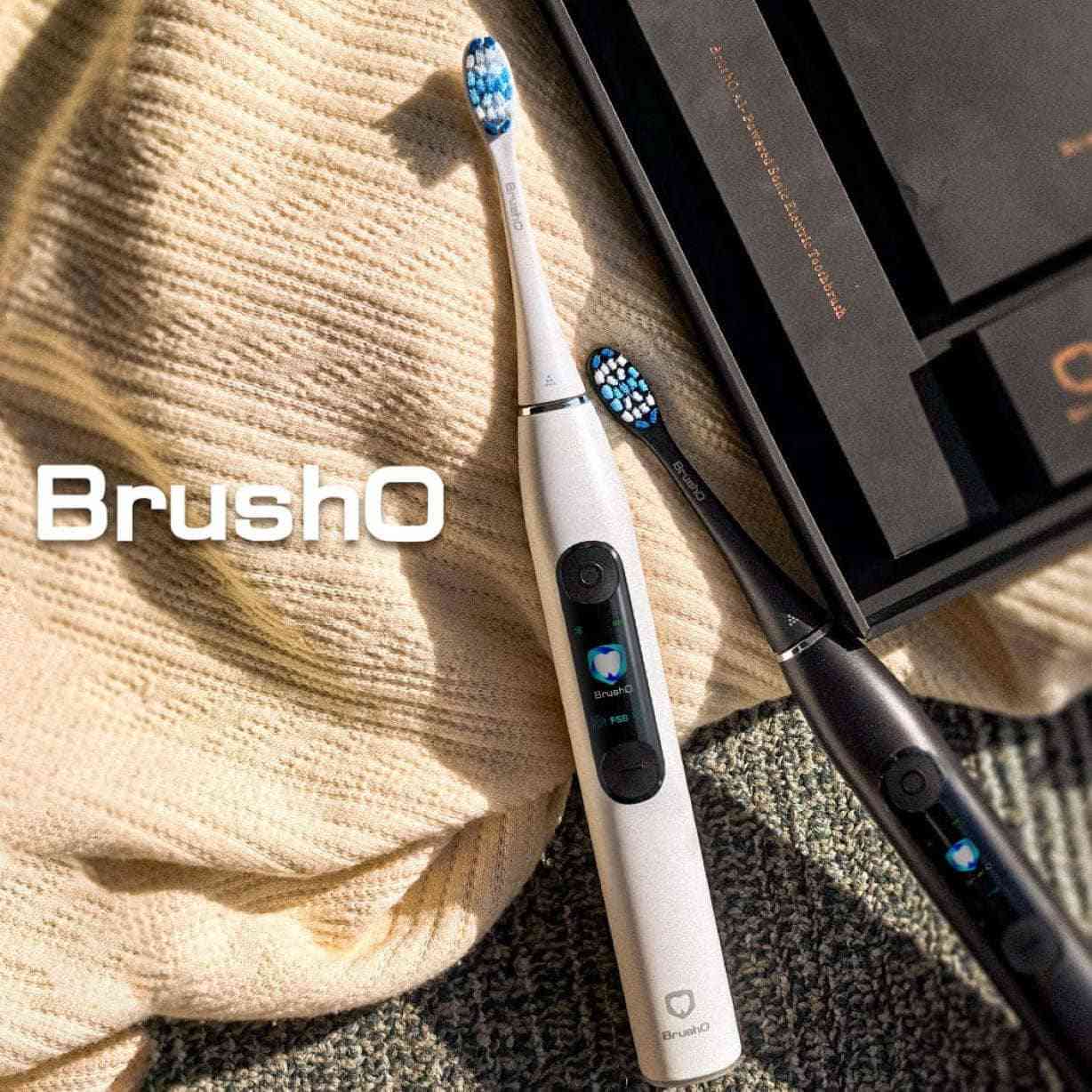
The BrushO AI-Powered Toothbrush takes plaque removal to the next level:
Unlike DIY plaque scrapers or risky home remedies, BrushO makes plaque removal safe, gentle, and effective.
So, how to remove plaque at home safely? The answer is daily care with the right tools. By combining smart brushing, flossing, healthy diet choices, and the advanced technology of the BrushO AI-Powered Toothbrush, you can keep plaque under control and prevent long-term dental problems.
👉 Ready for a cleaner, healthier smile?
Try BrushO today and see how smarter brushing transforms your oral care routine.

Teeth move through bone not because the bone melts away but because sustained pressure triggers a coordinated cellular response: osteoclasts resorb bone on the compression side while osteoblasts deposit new bone on the tension side. This article details the pressure-tension theory, the role of the periodontal ligament in translating mechanical force into biochemical signals, and why tooth movement takes months rather than days.

Gastroesophageal reflux doesn't always announce itself with burning chest pain. Silent reflux at night bathes the back teeth in stomach acid for hours, softening enamel and accelerating erosion long before a patient notices sensitivity. This article explains the mechanism, which tooth surfaces are most vulnerable, and how to recognize the early dental signs before irreversible damage occurs.

Declining estrogen during menopause reduces salivary flow, and less saliva means less natural remineralization, less acid buffering, and more friction against already-thinning enamel. A drop in bone density also affects the alveolar ridge. This article connects the hormonal shift to specific oral changes most women notice but rarely attribute to menopause.

An avulsed permanent tooth can be saved if reimplanted within 60 minutes — but only if handled correctly. The periodontal ligament cells on the root surface begin dying within minutes of drying out. This article walks through the exact first-aid protocol: what to hold the tooth by, which storage media work best, why milk outperforms water, and when to skip reimplantation entirely.

Enamel prisms are not straight parallel rods but follow a gnarled, wave-like decussation pattern that prevents cracks from propagating straight through the enamel layer. This article explores how the hunter-schreger bands, gnarled enamel near cusp tips, and prism decussation angles together create a fracture-resistant composite that endures millions of load cycles over decades.

Before smart toothbrushes and real-time coverage tracking, clinical research had already established that oscillating-rotating and sonic brushes reduced plaque and gingivitis more effectively than manual brushing. This article revisits the pre-app evidence base, explains the mechanical advantages independent of software feedback, and clarifies what an electric brush can and cannot do on its own — no AI required.

The dental pulp contains a reservoir of mesenchymal stem cells (DPSCs) capable of differentiating into odontoblast-like cells that produce reparative dentin. This article explains where these cells reside, what signals activate them after injury, how reactionary and reparative dentin differ, and the current state of regenerative endodontics — from pulp capping to whole-pulp regeneration trials.

Activated charcoal toothpaste promises natural whitening, but laboratory studies consistently show elevated Relative Dentin Abrasivity (RDA) values that exceed safe thresholds. Charcoal particles are irregular, hard, and non-selective — they scrub away surface stains and enamel indiscriminately. This article reviews the abrasion data, explains why RDA matters, and contrasts charcoal with regulated whitening alternatives.

Brackets, wires, and elastic bands turn the tooth surface into an obstacle course. Even diligent brushers miss the cervical margins, inter-bracket zones, and gingival edges consistently. AI motion tracking and coverage analysis identify precisely which surfaces around each bracket are being skipped — data that neither a mirror nor a hygienist can capture between monthly visits.

Parents often hover over young children during brushing, correcting technique in real time — a dynamic that breeds resistance and short-circuits skill development. AI-powered brushing reports shift the conversation from in-the-moment criticism to a calm weekly data review. This article examines how coverage maps, missed-zone summaries, and streak tracking let parents coach from evidence rather than surveillance, building lasting independent habits.

Build an oral health data network quickly and at low cost in a way that everyone can build.


Address: RM 1427, 14/F RADIO CITY 505, HENNESSY RD CAUSEWAY BAY, HONG KONG
Code: 000000
Phone: +852-53758652
Email: customerservice@brusho.com