
Smart vs regular electric toothbrush: differences is a common question for people considering an upgrade. Regular electric toothbrushes already outperform manual ones, but smart toothbrushes take oral care to the next level with AI guidance, pressure sensors, and data tracking. In this article, we’ll break down the main differences, show what each type offers, and explain why BrushO is redefining oral care for the modern user.
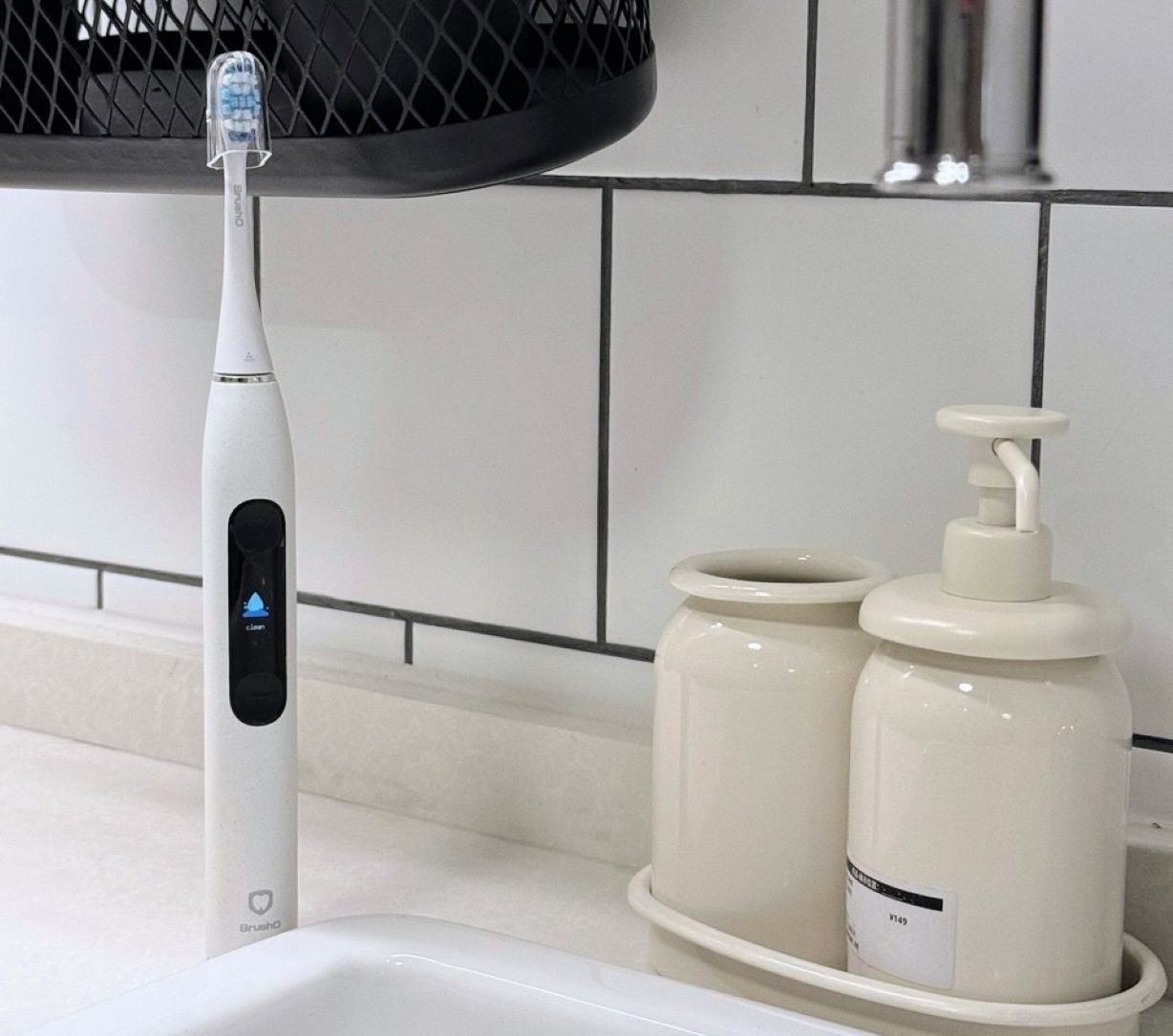
A regular electric toothbrush uses oscillations or sonic vibrations to clean teeth. Its key benefits include:
They are affordable, practical, and easy to use—but lack personalization or real-time guidance.
A smart toothbrush builds on those basics with enhanced features:
Smart brushes transform brushing into an interactive health routine rather than just a mechanical task.
Feature Regular Electric Toothbrush Smart Electric Toothbrush
Cleaning Efficiency Good Excellent with guided feedback
Timer Basic 2-minute Smart timer + coaching
Pressure Control Sometimes included Always included with alerts
Personalization Limited modes Multiple modes + customization
Data Tracking None App-based progress tracking
Habit Building No Yes, with AI reminders
The BrushO AI-Powered Toothbrush takes the smart concept further:
BrushO combines practicality with innovation, giving first-time and advanced users an all-in-one solution.
So, smart vs regular electric toothbrush—what’s right for you? If you only want consistent, automated brushing, a regular electric brush works well. But if you want to improve your technique, prevent enamel damage, and build better oral health habits, a smart toothbrush like BrushO is worth the investment.
Instead of just brushing, BrushO helps you brush smarter. 🦷✨
🫧 Learn more: brusho.com
🪥 BrushO

Most mouth ulcers resolve on their own, but not all of them heal at the same pace. This article explains why some sores linger, which triggers delay recovery, and when a slow-healing ulcer needs professional attention instead of more home experiments.

Tooth sensitivity is not only about ice water and sweets. This article explains why cold air can trigger a sharp response, what that reaction says about exposed dentin and enamel wear, and when sensitivity should be treated as a sign of structural change rather than a temporary annoyance.

People often miss the same back teeth again and again without realizing it. This article explains why brushing coverage breaks down in posterior zones, how anatomy and habit both contribute, and why missed back areas matter for plaque, gum health, and the accuracy of brushing data.

Many people damage their gumline and wear tooth surfaces by brushing too hard without noticing it. This article explains why pressure alerts matter, how overbrushing develops, and why real-time feedback can help turn force control into a measurable habit instead of a vague reminder.

Impacted wisdom teeth do not always hurt, but they can still create problems that stay hidden for a long time. This article explains how impacted third molars affect nearby teeth, gum health, and cleaning difficulty even when symptoms seem mild or absent.

Acidic drinks do more than stain teeth. This article explains how enamel softening happens, why sipping patterns matter as much as the drink itself, and which daily habits help reduce erosion without turning normal eating into constant anxiety.

Cavities that form between tightly packed teeth often stay invisible until they are already larger than expected. This article explains why these lesions develop quietly, which habits raise the risk, how dentists detect them, and what daily cleaning changes actually help.

When gums still look swollen or feel tender after a scaling appointment, the reason is not always treatment failure. This article explains what persistent inflammation can mean, how healing normally progresses, and when lingering symptoms deserve closer follow-up.

Teeth can respond to cold, sweets, or touch much faster than people expect. This article explains the role of dentin tubules, why exposed surfaces become so reactive, and how everyday wear, erosion, and gum recession change the way teeth handle stimulation.

Mouthwash is not one single product category. This article compares alcohol-free rinses with stronger antiseptic formulas, explains what each type is actually for, and shows why the best choice depends on dry mouth, irritation, gum risk, and how the rinse fits into the rest of daily care.

Build an oral health data network quickly and at low cost in a way that everyone can build.


Address: RM 1427, 14/F RADIO CITY 505, HENNESSY RD CAUSEWAY BAY, HONG KONG
Code: 000000
Phone: +852-53758652
Email: customerservice@brusho.com